
Yoga Breathing Techniques & Practices
Explore our comprehensive collection of pranayama practices, meditation guides, and breathwork strategies designed to enhance your wellbeing and deepen your yoga journey.
Nadi Shodhana
Also known as Alternate Nostril Breathing, this foundational pranayama practice balances the energy channels and calms the nervous system. Perfect for beginners seeking to establish a consistent breathwork routine and find mental clarity.
- Balances both brain hemispheres
- Reduces stress and anxiety
- Improves respiratory function
Ujjayi Breathing
The victorious breath technique creates a gentle ocean sound during respiration. This practice warms the body, steadies the mind, and is commonly used during yoga asana practice to maintain focus and build internal heat.
- Generates internal warmth
- Enhances focus during practice
- Calms the racing mind
Kapalabhati
The skull-shining breath is an energising cleansing practice that uses forceful exhalations to clear the respiratory passages and invigorate the mind. This intermediate technique requires proper guidance to avoid strain or injury during practice.
- Energises and rejuvenates
- Clears respiratory pathways
- Strengthens abdominal muscles
Bhramari
The bee breath technique creates a humming vibration throughout the body and mind. This soothing practice activates the parasympathetic nervous system, making it ideal for stress relief and preparing the mind for meditation or sleep.
- Relieves tension and stress
- Improves voice quality
- Enhances meditation practice
Kumbhaka
Breath retention or holding is an advanced pranayama practice that builds lung capacity and pranayama strength. This powerful technique must be practiced under guidance and requires years of foundational breathwork experience.
- Builds oxygen utilisation
- Enhances mental concentration
- Develops spiritual awareness
Anulom Vilom Meditation
This breathing meditation combines alternate nostril breathing with mindful awareness and mantra repetition. Traditionally practised for spiritual development, it harmonises energy channels and prepares practitioners for deeper meditative states.
- Harmonises subtle energy
- Deepens meditation practice
- Promotes inner peace
Sitali Pranayama
The cooling breath technique lowers body temperature and soothes inflammation throughout the body. This practice is traditionally recommended for summer months and for individuals with excess heat in their constitution.
- Cools the entire system
- Reduces inflammation
- Calms emotional turbulence
Sama Vritti Pranayama
Equal-part breathing synchronises inhale, hold, and exhale durations to create perfect equilibrium. This balanced practice harmonises the nervous system and develops breath awareness whilst cultivating a steady, focused mind throughout daily activities.
- Creates mental equilibrium
- Strengthens breath control
- Balances nervous system
Why Explore Our Breathing Practices?
Mental Clarity
Pranayama practices sharpen focus, reduce mental chatter, and develop concentration through deliberate breath awareness and control techniques.
Nervous System Balance
Specific breathing patterns activate relaxation responses and regulate the autonomic nervous system for improved emotional equilibrium and stress management.
Respiratory Strength
Consistent pranayama practice expands lung capacity, improves oxygen absorption, and strengthens the entire respiratory system over time.
Energy Cultivation
Ancient yogic traditions teach that breathwork channels vital life force (prana) throughout the body for enhanced vitality and spiritual development.
Emotional Balance
Different breathing patterns influence mood and emotional states, offering natural tools to navigate anxiety, frustration, and mood variations throughout your day.
Everyday Resilience
Mastering simple breathing techniques provides portable tools for managing stress, improving performance, and staying centred during challenging moments.
Getting Started with Pranayama
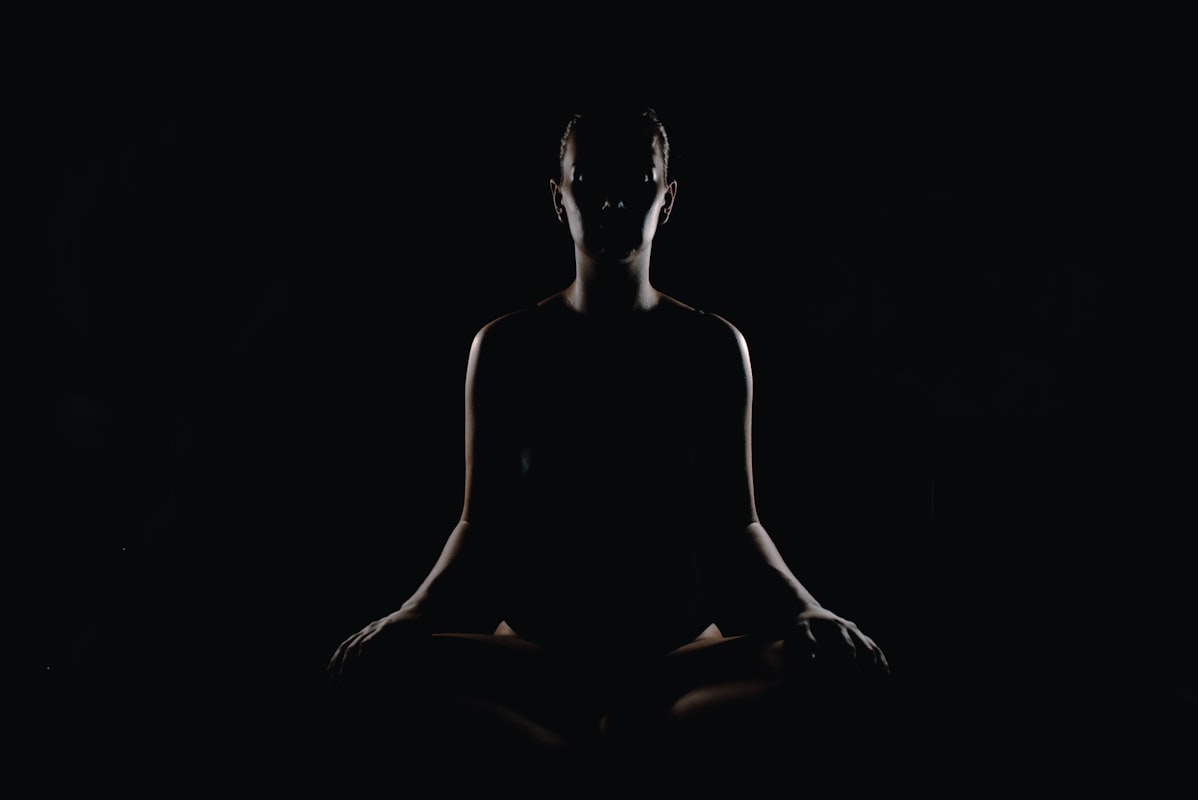
Understand the Basics
Begin by learning proper posture, hand positions, and breathing fundamentals. A comfortable seated position with an upright spine ensures optimal energy flow and breath capacity during practice sessions.
Start with Simple Techniques
Choose beginner-friendly practices like Nadi Shodhana or Ujjayi before advancing. Consistent daily practice, even for 5-10 minutes, builds the foundation for more challenging pranayama techniques.
Progress Gradually
Increase practice duration and complexity over weeks and months as your lung capacity and breath awareness strengthen. Respect your body's limits and avoid forcing or straining during any technique.
Integrate into Daily Routine
Schedule pranayama practice at consistent times, ideally in the morning before meals. Creating a dedicated practice space enhances focus and helps establish a sustainable, long-term breathwork commitment.
Student Experiences & Insights
Discover how practitioners across the UK have integrated breathing practices into their wellness journey and experienced tangible transformations.
"I started learning Nadi Shodhana through the breathing guides and noticed significant changes in my anxiety levels within two weeks. The clear, step-by-step instructions made it easy to practise at home without any previous experience."
Sarah Mitchell
Manchester, UK
"The articles on Ujjayi breathing transformed my yoga practice. I'm able to maintain focus during longer sessions, and the internal warmth created by the technique has deepened my connection to the practice significantly."
James Cooper
Edinburgh, UK
"Bhramari breathing has become my go-to tool for managing stress after busy workdays. The humming vibration is so calming, and I sleep better on nights when I practise. This resource has genuinely improved my wellbeing."
Emma Richardson
London, UK
"The detailed explanations of each pranayama technique helped me understand the 'why' behind each practice, not just the 'how'. This knowledge deepened my respect for the ancient wisdom of yoga."
David Thompson
Bristol, UK
"As someone managing multiple health conditions, this guide provided safe, evidence-based yoga practices that complement my medical treatment. The nutritional guidance is practical and realistic."
Margaret Foster
Edinburgh, Scotland
Ready to Transform Your Life?
Start your yoga and nutrition journey today. Access comprehensive guides, video tutorials, and personalized wellness plans.
Frequently Asked Questions
Find answers to common questions about our yoga and nutrition guide.
Yes, absolutely! Our guide is designed to be accessible for practitioners of all levels, from complete beginners to advanced yogis. Each practice includes modifications and progressions so you can start where you are and grow at your own pace.
We recommend starting with 3-4 sessions per week for optimal results. However, even 2-3 sessions weekly can provide significant benefits. Consistency matters more than duration – shorter regular practice is better than sporadic longer sessions.
Our nutrition guide is flexible and respects different dietary choices. Whether you're vegan, vegetarian, or eat meat, we provide adaptable meal plans and nutritional advice that align with your lifestyle and values.
Yoga has been shown to benefit many conditions including stress, anxiety, back pain, and flexibility issues. However, always consult with your healthcare provider before starting any new exercise regimen, especially if you have pre-existing health concerns.
No special equipment is required to begin your yoga practice. A yoga mat is helpful but optional – you can practice on any flat surface. Props like blocks and straps are useful for modifications, but they're not essential when starting out.
Yoganutritionguide
Transforming lives through ancient yoga wisdom and modern nutritional science.
Support
© 2024 Yoganutritionguide – VAT: GB129 3029 16. All rights reserved. Designed with for your wellness journey.